For many buyers, the issue isn’t just higher home prices—it’s the rising cost of everything from food to childcare.
For some families, especially first-time homebuyers, the process can feel overwhelming and financially burdensome. This stress often leads people to hit the pause button, but waiting is not your only option. Many are now exploring multi-generational living as a way to pool resources with parents, adult children, or other relatives.
Why More Families Are Choosing Multi-Generational Homes
For many families, the reason is simple: it can make buying a home more affordable and family life more manageable.
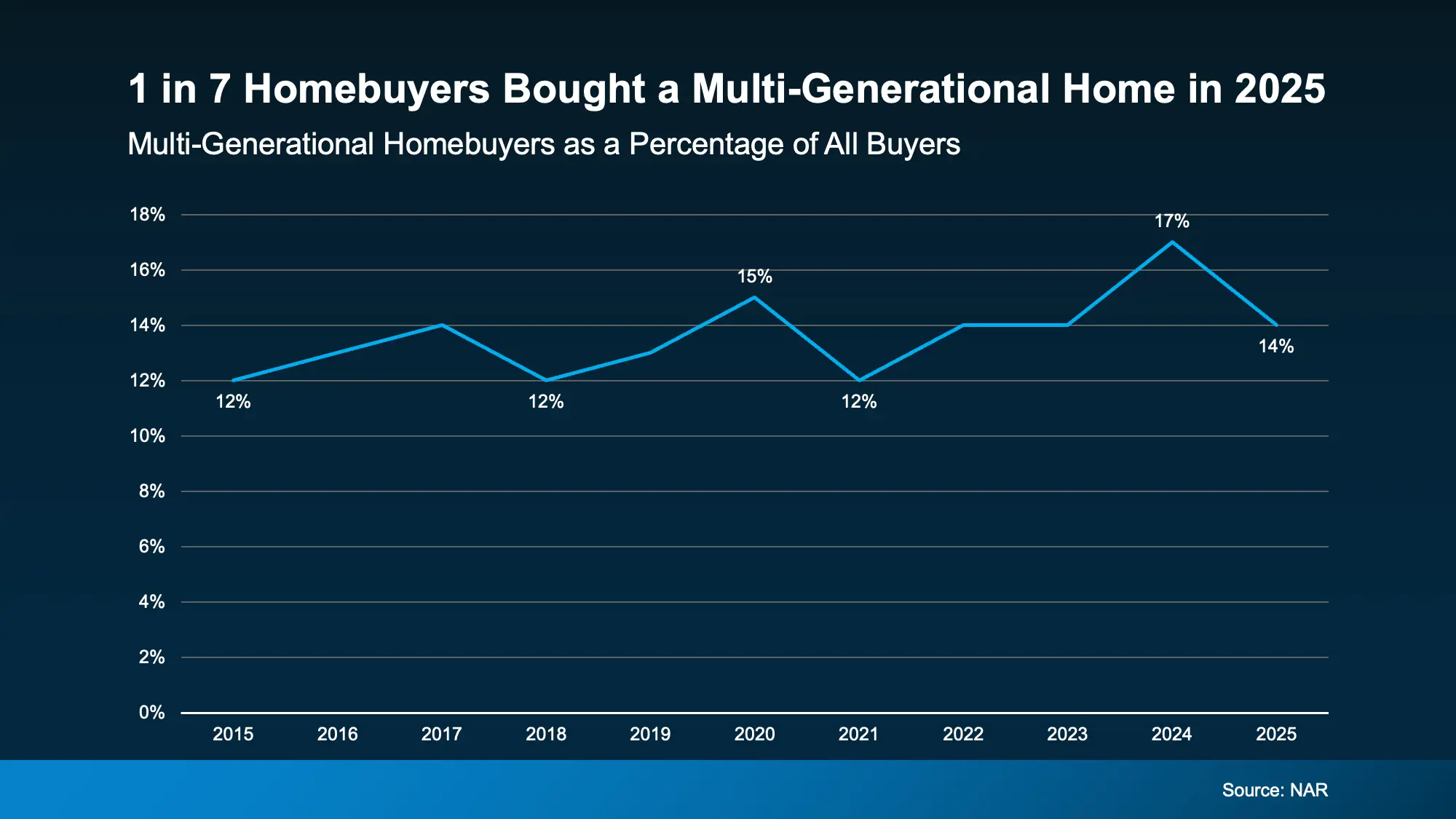
Let’s face it: pooling resources with relatives can instantly increase your buying power, reduce monthly pressure, and create much-needed flexibility in the household budget. Beyond the finances, it often solves for child care while making it easier for three generations to stay connected under one roof.
Benefits for Families with Young Children
In Massachusetts, child care costs account for about 12.4% of household income—well above the national average. When you layer that on top of a modern mortgage payment, the math gets difficult fast.
This is why more buyers are viewing multi-generational living as a strategic move rather than a compromise. It creates a built-in support system that can significantly offset these costs while providing more stability for the kids.

Not for Everyone
Buying a home with parents or adult children is not just about affordability. It is about whether everyone involved is truly comfortable sharing space, routines, responsibilities, and decision-making.
That may sound manageable at first, but real-life issues have a way of surfacing quickly. Privacy, house layout, financial contributions, boundaries, and long-term expectations should all be discussed before anyone moves forward.
For the right family, it can be a practical solution. But it works best when the fit is right and expectations are clear from the start.
Bottom Line
If buying a home feels out of reach, it doesn’t mean your goal is off the table—it means the strategy needs to shift. For many families, multi-generational living is the leverage they need to turn a "maybe" into a "yes."
Whether it’s about pooling equity or solving for child care, the right move is the one that works for your unique household. For more practical guidance on navigating today's market, explore our home buying tips.